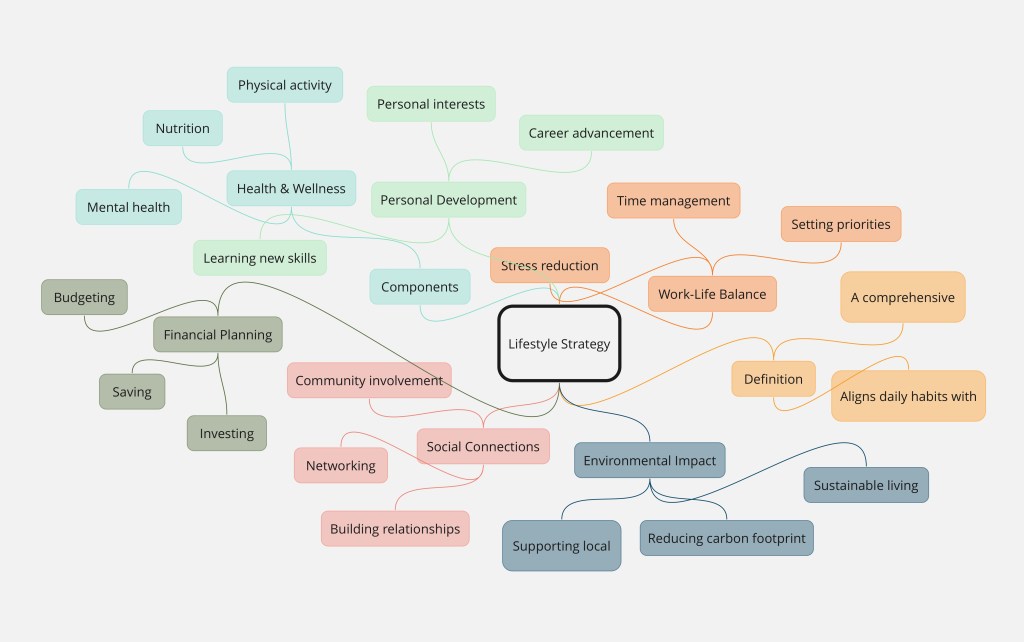
Life is becoming more complex every day. The need for structure and integrity is more pervasive than ever. A lifestyle strategy addresses the hectic pace of daily life and brings it into focus. Anyone can organize and systemize their routines and the influences that affect them. A lifestyle strategy is a purposeful approach to harnessing our activities, encompassing the choices, habits, and practices that align with one’s deepest values, aspirations, and goals. This article digs into the structure of a lifestyle strategy by unpacking its component parts, benefits, and how one can turn chaos into simplicity.
The Essence of a Lifestyle Strategy
A lifestyle strategy is an integrated, composite plan that guides you on how you allocate your time, energy, and resources across various aspects of your life, including health, career, relationships, personal growth, and leisure. It’s about making conscious decisions that contribute to a holistic sense of well-being and fulfillment. Unlike fleeting trends or rigid routines, a lifestyle strategy is dynamic, flexible, and uniquely tailored to individual preferences and life phases.
Why a Lifestyle Strategy Matters
A lifestyle strategy acts as a compass, helping to navigate towards a life that is not only successful by conventional standards but also deeply satisfying and meaningful. It encourages mindfulness, promotes balance, and fosters resilience against the stressors of daily life. By focusing on what truly matters, a lifestyle strategy enables individuals to live more fully, reduce overwhelming circumstances, and achieve a sense of harmony and purpose.
Components of a Lifestyle Strategy
1. Vision and Values: The foundation of any effective lifestyle strategy is a clear understanding of your personal vision and core values. What do you want your life to stand for? What principles do you wish to embody? These questions help prioritize actions and decisions.
2. Goals and Objectives: Setting specific, measurable, achievable, relevant, and time-bound (SMART) goals is crucial. Whether it’s advancing in your career, improving your health, or nurturing relationships, goals act as milestones on your journey.
3. Habits and Routines: The bedrock of daily life, habits, and routines, when aligned with your goals, propel you forward with minimal friction. They automate progress, making it easier to maintain momentum.
4. Time Management: A lifestyle strategy requires effective time management to ensure that you are investing your most limited resource in activities that align with your vision and bring you joy.
5. Health and Wellness: A holistic approach to health, incorporating physical activity, nutritious eating, mental health care, and rest, is pivotal. A healthy body and mind are the means by which we achieve a fulfilling life.
6. Personal Development: Continuous learning and growth are vital. This might include acquiring new skills, reading, reflection, and other activities that enrich the mind and soul.
7. Financial Planning: Managing finances wisely supports your lifestyle goals and reduces stress, enabling more freedom and choices in life.
8. Social Connections: Cultivating meaningful relationships and a supportive community enriches life and provides a buffer against challenges.
Crafting Your Lifestyle Strategy
1. Reflect on Your Vision and Values: Begin with introspection. What does a successful and fulfilling life look like to you? What values are non-negotiable?
2. Set Clear Goals: Based on your vision, define clear, actionable goals for different areas of your life. Remember, these can and should evolve over time.
3. Develop Habits and Routines: Identify small, daily actions that move you toward your goals. Focus on consistency rather than perfection.
4. Plan Your Time Wisely: Use tools and techniques that resonate with you to manage your time effectively, ensuring you allocate space for work, play, and rest.
5. Prioritize Health and Wellness: Integrate physical activity, mindful eating, and mental health practices into your daily routine. Listen to your body and make adjustments as needed.
6. Embrace Continuous Learning: Seek out opportunities for personal and professional development. Stay curious and open to new experiences.
7. Manage Your Finances: Create a budget, set financial goals, and educate yourself on financial wellness to support your lifestyle aspirations.
8. Nurture Relationships: Invest time and energy in relationships that uplift and support you. Be intentional about community building.
Challenges and Adaptability
Adopting a lifestyle strategy is not without its challenges. Life is unpredictable, and circumstances change. Flexibility and adaptability are key. When faced with obstacles or shifts in your situation, revisit and revise your strategy. The goal is progress, not perfection.
Conclusion
A lifestyle strategy is more than a plan for living; it’s a commitment to crafting a life that resonates with your deepest aspirations and values. It requires introspection, intention, and action. By adopting a holistic approach that encompasses all facets of life, you can navigate the complexities of the modern world with grace and purpose. Remember, the journey towards a fulfilling life is ongoing and ever-evolving. Embrace the process, remain flexible, and celebrate each step forward. In doing so, you’ll not only achieve success on your own terms but also discover a profound sense of satisfaction and joy in the everyday.
 The Next Chapter
Leave a comment